Yes, Even in the Cold: The Ten-Minute Loop That Beats the Long Walk You'll Skip
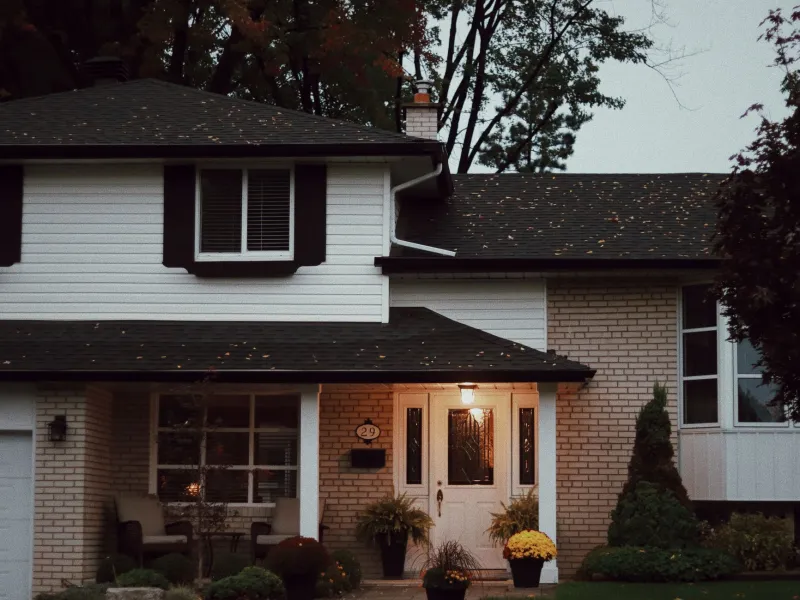
It's 5:40 in the afternoon and it's already dark. The dishes are in the sink, the furnace just kicked on, and there is a specific kind of gravity to the couch in November that no summer evening can replicate. You had a plan, back in September, involving a three-mile walk. That plan is now a memory.
Here's the thing: the plan didn't fail because you're undisciplined. It failed because it was built for a different season. Three miles in daylight is a reasonable ask in June. Three miles in the dark, in 29 degrees, after dinner, is a negotiation you will lose most nights — and losing it repeatedly is worse than never trying, because it teaches you that you're the kind of person who doesn't follow through.
So shrink it. Ten minutes. One loop. After dinner. That's the whole habit, and it's the most underrated thing you can do for yourself between now and March.
Why Ten Minutes Beats Thirty, Every Time
Behavioral science has a fairly blunt message about habit formation: the size of the obstacle matters more than the size of the reward. A habit with a small activation cost happens. A habit with a large one happens occasionally, and then doesn't.
A ten-minute walk has almost no activation cost. It doesn't require a shower after. It doesn't require daylight. It doesn't require a route plan, a water bottle, or a change of clothes beyond a coat. The barrier is a jacket and a pair of shoes by the door.
There's also something specific about doing it after dinner. A short walk is a physical punctuation mark — it separates the working day from the evening, closes out the meal, and gets you out of the chair before the chair wins. Some research suggests light activity after eating helps with blood sugar response; plenty of people find it simply helps them digest. But the more reliable benefit is psychological. You end the day having done one thing that wasn't scrolling.
And there's the light. In a US winter, many people leave for work in the dark and come home in the dark. Ten minutes outside in the evening is not a cure for anything, but it is real light on your face, real cold air in your lungs, and a change in scenery that a living room cannot provide. If your mood tends to dip in January, that small dose is not nothing. (If it's more than a dip — if it's weeks of flatness and heaviness — that's a conversation with a doctor, not a walking habit.)
Dress for the Walk, Not the Weather App
The number on your phone is the temperature. It is not the temperature you will feel, and it is definitely not what you should dress for.
The rule that works: dress for ten degrees warmer than the forecast, because you'll be generating heat within three minutes. Then use layers you can open or shed.
- Base: something that isn't cotton. Cotton holds sweat against your skin and turns cold. A synthetic or wool tee is fine.
- Middle: a fleece or light sweater.
- Outer: a wind-resistant shell. Wind is the thing that actually makes a ten-minute walk miserable, more than cold alone.
- Head and hands: a hat and gloves, always. This is non-negotiable in February and it is what most people forget.
- Feet: wool socks and shoes with actual tread. Wet leaves and black ice are the winter hazards, not the temperature.
Ten minutes is short enough that you'll never fully warm up, so err warmer than you think. There is no prize for being underdressed.
Pick a Loop, Not a Goal
Choose a route before you need it, and make it a loop that starts and ends at your own front door. Out-and-back routes have a failure mode: you turn around at the halfway point and now you're negotiating with yourself the whole way home.
A loop is a commitment device. Once you're around the corner, finishing is easier than stopping.
A good winter loop is:
- About half a mile, so ten minutes is comfortable even at a slow pace
- Well-lit, with sidewalks or a quiet residential street rather than a shoulder
- Boring in the best way — no decision points, no reason to improvise
If you live somewhere with no safe loop — a rural road with no shoulder, a highway-adjacent subdivision — drive to a lit park or a school track, or walk laps in a mall or a big-box store. It counts. Nobody is grading this.
Dark Is Not the Same as Dangerous — But Take It Seriously
Winter walking gets abandoned over darkness more than cold, and that's understandable. But most of the risk here is visibility, not villainy. Address the visibility and you've addressed most of it.
- Wear something reflective. A $10 reflective vest over your coat is the single highest-value purchase in this entire article. Drivers see retroreflective material at a distance they will never see your navy peacoat.
- Bring a small light. A headlamp or a handheld flashlight, both to see the sidewalk and to be seen at intersections.
- Cross at corners, and make eye contact with drivers. Do not assume a right-turning car has seen you, because it usually hasn't.
- Skip unlit trails, parks, and river paths after dark. They're lovely in July and a bad idea in January.
- Tell someone, or share your location. If you live alone, a quick text before you head out costs nothing.
- Leave the headphones at home for the first few weeks, or use only one earbud. You want your ears available at crosswalks.
If a particular route doesn't feel right after dark, trust that. There's no shortage of streets.
Make It Stick Without Turning It Into a Step Contest
The fastest way to kill this habit is to measure it. Step counts, streaks, ring-closing, weekly mileage charts — all of it turns a ten-minute act of care into a performance review. You will start skipping days you can't "do it properly," which is exactly the opposite of the point.
Instead:
- Anchor it to something you already do. Dinner ends, dishes go in the sink, coat goes on. Same sequence every night.
- Leave the gear by the door. Coat on the hook, shoes underneath, gloves in the pockets. Reduce the friction to literally zero.
- Set the bar at embarrassing. Two minutes outside on a bad night is a win, not a compromise. Most nights you'll stay out the full ten once you're moving.
- Recruit one person. A partner, a kid, a neighbor, a dog. Company is the most reliable habit-keeper there is, and a dog has never once suggested skipping.
- Give yourself a season off from ambition. This is not the winter you train for something. This is the winter you keep the lights on.
The Part Nobody Mentions
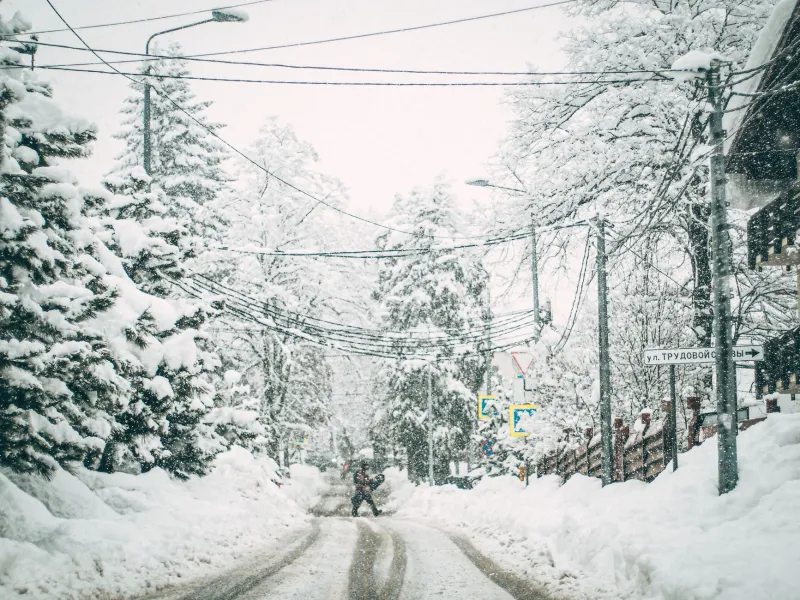
There's a specific moment on a cold, clear night about three minutes into a short walk, when your breath is visible, the street is quiet, and the whole neighborhood is lit up in windows. It doesn't feel like exercise. It feels like being a person in a place, at a time of year most of us spend trying to fast-forward through.
Ten minutes won't fix winter. But it does mean you'll have been outside, in it, on most days of it. That's a different season than the one spent entirely indoors, waiting for it to be over.
Put the coat by the door. That's step one.