A Pot on Sunday, a Softer Week: The Case for Repetitive Soup
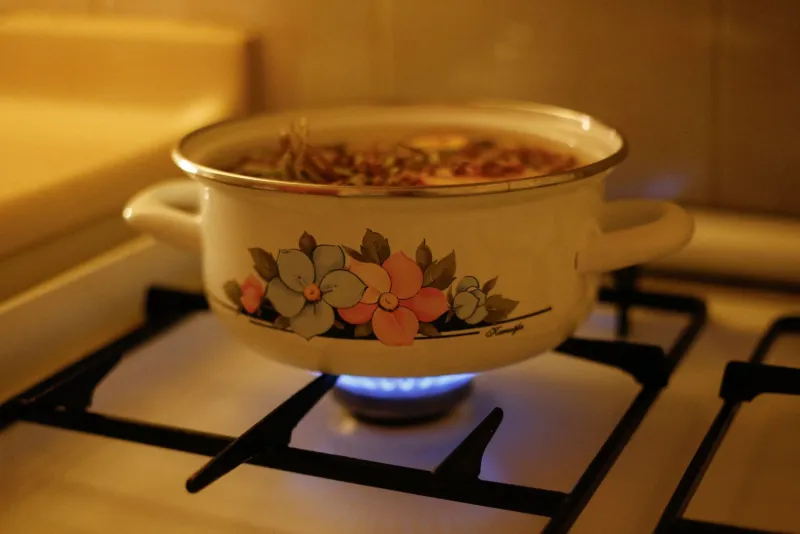
By late fall, Sunday afternoon has a particular feeling in most American homes. The light goes flat around four o'clock. The weekend errands are done or abandoned. Monday is already in the room, even if nobody has said its name. This is the season when a pot of soup on the stove starts to feel less like a recipe and more like a small ritual.
The Sunday soup protocol is simple: make one pot, keep it flexible, and let it carry you into the week. It is not a meal-prep system built for maximum efficiency. It is a low-decision evening plan, a way to bring warmth into the kitchen, and a gentle repetition that can steady the mind as much as it feeds the body.
Why Soup Fits the Dark Months
Soup is a sensory habit. There is the sound of the knife on the board, the smell of onions softening in oil, the steam on the window, the warmth coming up from the stove. None of these things require a special mood or a perfect kitchen. They meet you where you are.
It is also a forgiving kind of cooking. Soup does not demand precision. A little more broth, a little less salt, a handful of greens at the end — it adjusts. That flexibility matters in a season when many of us are already managing too many decisions.
And then there is repetition. Making the same kind of pot on the same day each week can become a quiet marker of time. The routine does not need to be elaborate to be grounding. It just needs to be repeatable.
The Flexible Formula
You do not need a recipe. You need a ratio and a few categories.
Fat and aromatics: olive oil, butter, or a neutral oil, plus onion, garlic, leeks, or shallots. This is where the kitchen starts to smell like something good is happening.
Vegetables: two to three cups of whatever is sturdy and available. Carrots, celery, sweet potatoes, squash, cabbage, mushrooms, zucchini, or frozen mixed vegetables all work. If you add delicate greens, save them for the end.
Protein: one to two cups of beans, lentils, chickpeas, shredded chicken, sausage, tofu, or tempeh. Canned beans are fine. A rotisserie chicken from the grocery store is fine. Convenience is not a compromise here; it is part of what makes the ritual sustainable.
Liquid: six to eight cups of broth, water, or crushed tomatoes. If you use water, season a little more generously. If you use a salty broth, taste before adding more salt.
Starch: potatoes, rice, pasta, or noodles. If you plan to store the soup for several days, cook pasta and rice separately and add them when you reheat. Otherwise they drink the broth and turn soft.
Finish: something bright and something soft. A squeeze of lemon, a splash of vinegar, chopped herbs, grated cheese, a spoon of yogurt, or a drizzle of good olive oil.
A simple method: soften the aromatics in fat, add the sturdy vegetables and protein, pour in the liquid, and simmer until everything is tender. Twenty to forty minutes is usually enough. Taste as you go. Adjust the salt, add the acid at the end, and let the pot sit for a few minutes before you portion it out.
A Sunday Method That Does Not Take Over the Day
The goal is not to spend Sunday in the kitchen. The goal is to make the kitchen feel like a place where care happens without a lot of fuss.
Start by clearing one counter space. Put the pot on the stove. Chop the onion and garlic first. Let them soften while you chop the next vegetable. Add things in stages rather than all at once. Stir occasionally. Listen to something. Let the simmer do the work.
If you have energy, make a second small thing — a pan of cornbread, a pot of rice, a jar of vinaigrette. If you do not, skip it. The soup is enough. The point is not to build a beautiful spread. The point is to have something warm waiting for you on Monday night.
Storage Without the Drama
Let the soup cool somewhat before refrigerating it, and move it into shallow containers so it cools faster. Most vegetable- and bean-based soups keep in the refrigerator for three to four days. If you add meat or dairy, follow the same basic timing and use your senses. Freeze what you will not eat within that window. Leave a little space at the top of the container for expansion, label it with the date, and reheat until steaming.
When you reheat, add a splash of broth or water if the soup has thickened. Taste it again. A squeeze of lemon or a handful of fresh herbs can wake up a soup that has been sitting in the fridge. These small finishing touches are not extra work so much as a reminder that the food is still alive.
The Repetition Is the Point
There is a quiet benefit to doing the same small thing on the same day each week. It gives the week a shape. It reduces the number of decisions between you and a warm meal. It turns the kitchen into a place of rhythm rather than performance.
This is not about diet optimization. It is not about making the perfect bone broth or following a rigid plan. It is about creating a low-stakes ritual that supports mind-body balance through warmth, sensory attention, and a little bit of foresight. The soup does not fix the dark months. But it softens them.
And on a cold Monday, when you come home tired and the light is already gone, a pot of soup in the fridge is a small, practical kindness. That may be the whole point.