When the Afternoon Goes Dim: Rethinking the 4 P.M. Slump

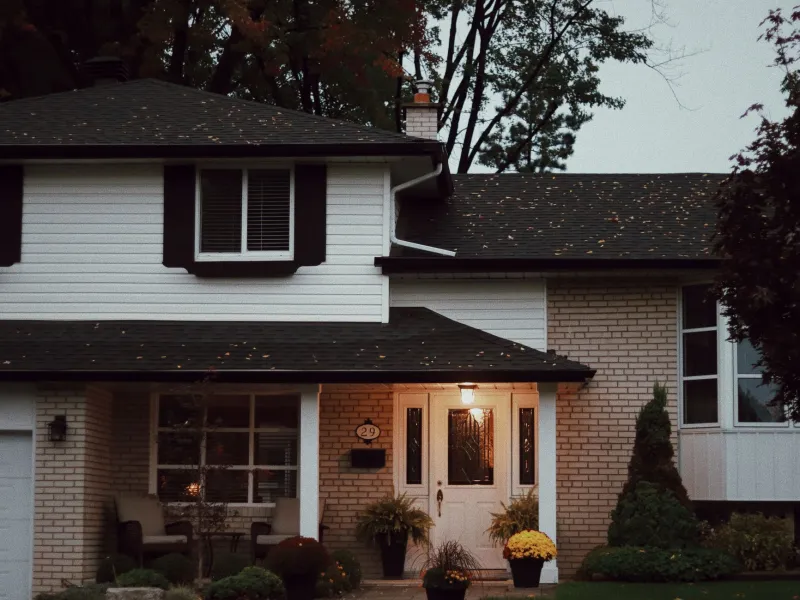
There's a particular kind of Tuesday in November. The meeting ends at 4:05, you glance at the window, and the sky has already gone the color of an old nickel. You have two hours of work left and roughly the energy of a houseplant in a closet.
If that sounds familiar, take a breath. The 4 p.m. slump is not a character flaw, a discipline problem, or proof that you need a new supplement stack. It's a predictable collision of light, blood sugar, and hydration, and it gets more noticeable this time of year for reasons that are mostly physical.
Why the dip feels sharper now
Daylight saving time ended on November 1, which means much of the country is now watching sunset land somewhere between 4:20 and 5:00 in the afternoon. In Boston, Chicago, and Seattle alike, the back half of the workday happens in fading or absent daylight.
Your body clock, a cluster of cells in the hypothalamus, takes its strongest cues from light. When afternoon brightness drops off early, the signal gets muddled: your system starts receiving evening-type input while your calendar still says "quarterly review." Many people also notice that the shift isn't just about the afternoon. If you drive to work in the dark and spend the day under overhead lighting, your morning light exposure shrinks too, and the whole rhythm drifts a little later and flatter.
There's a blood-sugar piece as well. A lunch built around a bagel, a big sandwich, or last night's pasta tends to produce a quick rise and a matching drop, and that drop often lands right in the mid-afternoon window. None of this is a moral failing. It's timing.
And then there's water. Furnaces and heat pumps run all day, indoor air gets dry, and thirst signals get quieter when the weather turns cold. Mild dehydration is a well-known contributor to that foggy, heavy feeling, and it's easy to go from morning coffee straight to a 5 p.m. glass of something.
Caffeine deserves a mention too, though gently. A 3 p.m. cup can feel like a rescue and then quietly cost you sleep, which makes tomorrow's 4 p.m. worse. The loop is real, and it's easy to step into.
A short sequence that doesn't become a project
What follows is not a protocol. It's four small moves, roughly fifteen minutes total, and you can do them in almost any order. The goal is support, not optimization.
1. Get outside before you think you need to
Aim for ten minutes of real outdoor light sometime between 1 and 3 p.m., ideally before the slump arrives. A walk around the block, a phone call taken on the sidewalk, coffee consumed standing on the front steps. Overcast counts. Cold counts. You're not chasing a tan; you're telling your internal clock what time it is.
2. Eat something with protein
Keep something in your desk drawer or fridge that requires zero assembly. Greek yogurt, a handful of almonds, a hard-boiled egg, turkey rolled around a slice of cheese, edamame from the freezer. Pair it with a little fiber, like an apple or some carrots, and you blunt the crash instead of riding it out on willpower.
3. Move for two minutes
Not a workout. Two minutes. Take the stairs once, walk to the mailbox, do twenty calf raises at the kitchen counter, put on one song and don't sit down until it ends. Movement changes blood flow and gives your nervous system a fresh input, which is often enough to shake the fog loose.
4. Take a real screen break
Five minutes, no scrolling. Not a "productivity" break where you answer the messages you missed. Look out a window at something far away, rinse your hands in cool water, refill your glass. The point is distance and quiet, not getting ahead.
What to skip
You don't need a twelve-step evening routine, a red-light panel, or an energy drink with a name like a fighter jet. Those things aren't evil, but they add cost and complexity to a problem that responds well to basics. The best version of this plan is the one you'll actually repeat on a Wednesday when you're tired.
One honest caveat: if the afternoon fatigue is heavy, lasts for weeks, or arrives with other symptoms like shortness of breath, unusual thirst, or low mood that won't lift, that's a conversation for a clinician, not a snack strategy.
Making it stick through a dark season
Attach each move to something that already happens. Light after lunch. Snack before the 3 p.m. call. Two minutes of movement when you refill your water. The screen break when you'd otherwise be scrolling anyway.
And give yourself the grace of the season. Shorter days are not a personal insult, and a slower afternoon doesn't mean you're failing at November. Sometimes the right response to a dim room is to stand up, walk outside for ten minutes, and come back to a smaller to-do list and a warmer lamp.