One Index Card, Ten Minutes: The Winter Health Admin Check You Keep Meaning to Do
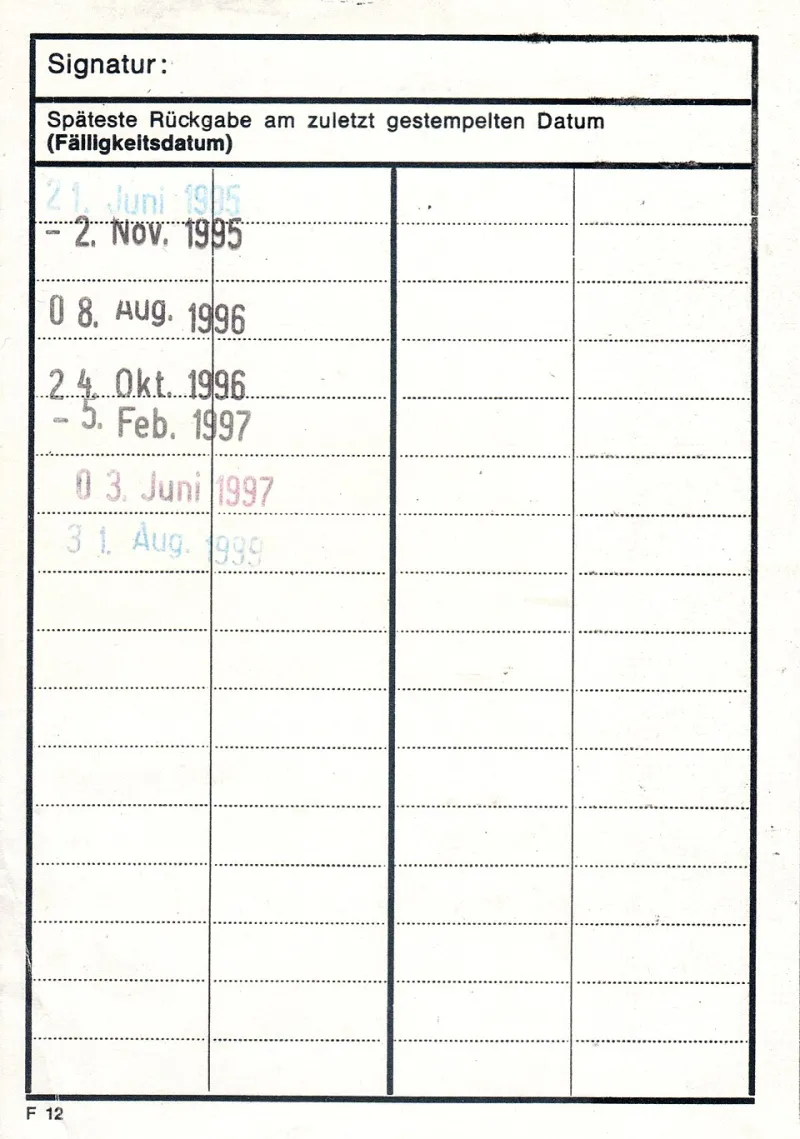
Photo: Asurnipal, CC BY-SA 4.0, via Wikimedia Commons
There's a particular kind of winter evening that starts with a kid holding their ear, or a cough that won't quit, or a prescription bottle that turns out to have two pills left. It's 7:40 p.m. on a Friday. The pharmacy closed at six. Nobody knows which urgent care is open, whether the insurance card is in the wallet or the drawer, or what the nurse line number actually is.
None of that is a medical problem. It's an information problem, and it's fixable in ten minutes on a slow afternoon.
The Case for Admin as Self-Care
Wellness content tends to be about things you add: a supplement, a class, a mat, a subscription. This is the opposite. It's about removing one specific flavor of panic from your winter, and the return on ten minutes is unusually high.
Winter stacks the odds against you. Holidays shrink pharmacy hours. Snow closes clinics and cancels appointments. Plan years reset in January, which means deductibles reset too, and the front-desk person in February is asking different questions than they were in November. A little preparation in December is not paranoia. It's just good housekeeping.
And there's a quieter benefit: knowing where things are makes you more likely to call about the small thing instead of waiting until it's a bigger thing.
Step One: The Card in Your Wallet
Pull out your insurance card and photograph both sides. Front and back, in good light, flat on the counter.
Why both sides? Because the back is where the customer service number, the nurse line, and the claims address usually live, and that's the side everyone forgets until they're standing in a waiting room.
Save the photos somewhere you'll actually find them — a notes app, a shared album with your partner, or a folder with a name you'd search for. Not buried in a camera roll with four thousand pictures of the dog.
While you're at it, check the effective date on the card. If your plan renews in January, the deductible may reset then, and it's worth knowing that before you're surprised by a bill in February.
Step Two: The Numbers You'd Otherwise Google at 9 p.m.
Add these to your contacts, with names that sort sensibly:
- The nurse line printed on your card. Most plans have one, staffed around the clock, and it's free.
- Your primary care office, including the after-hours message number.
- The pharmacy, saved as a contact rather than found by search each time.
- Two urgent care locations. The one closest to home and the one closest to work, with addresses in the notes field.
Ten minutes of typing. The payoff is never having to squint at a card under fluorescent lights while someone asks you a question you can't answer.
Step Three: Pharmacy Hours Are a Winter Variable
Pharmacy schedules are not stable in late December. Holiday hours shrink, staff shortages happen, and a chain location that's open until nine on a normal Tuesday may close at five on the twenty-fourth.
A few practical moves:
- Check the refill date on every prescription and write the earliest one on your index card. If a refill lands between Christmas and New Year's, request it early — most plans allow a few days of grace on vacation overrides.
- Note which prescriptions are 30-day and which are 90-day. Mail order is often cheaper and it removes a winter errand entirely.
- Confirm whether your pharmacy is inside a store that closes earlier than the pharmacy. It happens more than you'd think.
- Ask about delivery. Many US chains now deliver for free or a small fee, which matters in an ice storm.
Step Four: Know Your Two Doors
People default to the emergency room because it's the one they can name. But the difference between urgent care and the ER is usually a difference of hours and hundreds of dollars.
Urgent care generally handles things like sprains, minor cuts, ear infections, strep tests, and the respiratory crud that's everywhere in January. Emergency departments are for chest pain, trouble breathing, serious head injuries, and anything that feels genuinely alarming.
Spend five minutes noting:
- The nearest urgent care and its weekday and weekend hours.
- Whether your plan requires a referral for urgent care (most don't, but check).
- The nearest emergency department, and the second nearest.
- Whether your plan offers a telehealth visit. Many do, for a flat copay, and it's the fastest path to a prescription at 8 p.m. on a Sunday.
Write those four things down. Don't rely on memory in a stressful moment.
The Ten-Minute Version
If the full audit feels like too much, do this instead. Take one index card and write:
- Insurance plan name and member ID.
- Nurse line number.
- Pharmacy name, address, and hours.
- Next refill date for each prescription.
- Nearest urgent care address and hours.
Tape it inside a kitchen cabinet, or photograph it and pin it in your phone's notes. One card, one place, done.
Where Future You Will Look
Put the card and the photos somewhere obvious and tell one other person in the household where that is. A kit nobody knows about is the same as no kit at all.
Then let it go. This isn't a system to maintain or a habit to optimize. It's a small piece of setup that sits quietly in the background until a Friday evening in February, when the pharmacy is closed and somebody needs help, and you already know exactly who to call. That's a calmer winter, bought for ten minutes and the price of an index card.