A Tray of Green on the Sill: The Two-Minute Winter Habit That Isn't About Salad
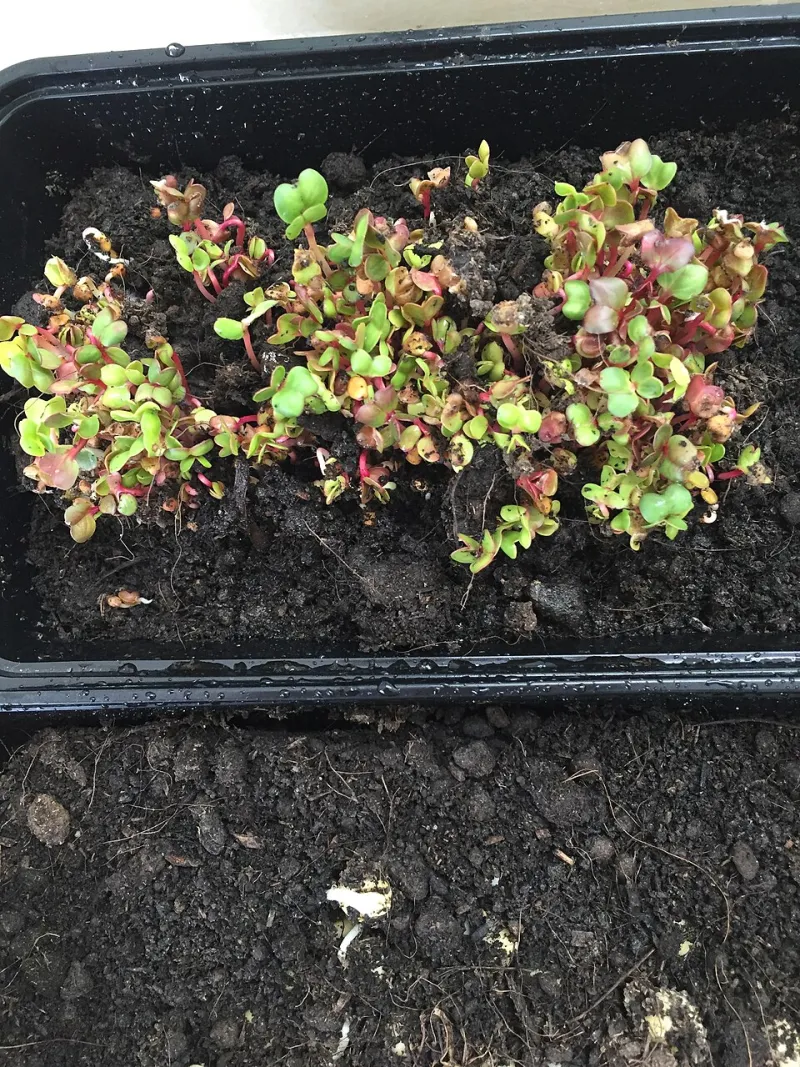
Photo: Zenyrgarden, CC BY-SA 4.0, via Wikimedia Commons
January has a way of flattening a house. The light gets thin, the routine gets tight, and by the third week the most eventful part of the day is the mail. A tray of microgreens on the kitchen sill won't fix a season. What it will do is give a dull week one small thing that changes visibly between Monday and Friday.
That's the honest pitch. Not salad. Not self-sufficiency. Just a living square of green about eighteen inches from the sink, and a two-minute habit built around keeping it that way.
Start Smaller Than Seems Reasonable
The classic mistake is buying a four-tier shelving unit and a grow light before the first seed sprouts. Skip that. A single tray roughly the size of a sheet of paper is enough to learn on, and if it fails you've lost about the price of two coffees.
The low-cost setup, in plain terms:
- A shallow container with drainage. A reused produce clamshell works if you poke holes in the bottom. So does a foil pan, or a real seed tray if you'd rather buy once.
- A second container underneath. This is the drip catcher, and it's the difference between a hobby and a mess.
- Seed-starting mix, not garden soil. Potting soil from a summer bag is fine if it's loose and hasn't been sitting wet in the garage.
- Seeds sold for sprouting or microgreens. Radish, broccoli, kale, mustard, pea shoots, sunflower. A packet goes a long way because you sow them thick.
- A spray bottle. Optional but genuinely useful for the first few days.
Total at most US garden centers and hardware stores: somewhere between twelve and twenty-five dollars, and most of that is the seeds, which you'll use for months.
What Actually Grows in a Winter Window
Light is the limiting factor from November through February, and pretending otherwise is how people end up with pale, leggy stems and a quiet sense of failure.
A south-facing window is the prize. East is workable. West gets hot afternoon sun that can dry a shallow tray fast. A north window in Minnesota in January is a losing proposition, and there's no shame in admitting that before you sow.
The reliable performers in low winter light:
- Radish. Fast, forgiving, faintly peppery, ready in about a week to ten days.
- Broccoli and kale. Slower but sturdy, and they hold up well to a cool sill.
- Pea shoots. Tall and cheerful, though they want a little more room and a slightly deeper tray.
- Sunflower. Big and dramatic, but the hulls need watching — see below.
Sow thickly, barely cover the seed, and keep the surface damp but never pooled. Then set the tray where you'll walk past it, not where it merely gets light. A sill you see on the way to the coffee maker beats a perfect window in a spare room.
The Mold Question, Answered Without Alarm
Mold on a windowsill tray is common and usually boring. It shows up as a faint white fuzz near the soil line, and it almost always traces back to the same few causes: too much water, too little air, or seeds crowded so tightly that nothing dries.
The fixes are unglamorous:
- Water from below. Pour into the drip tray and let the soil pull it up, rather than soaking the surface.
- Stop misting once the greens are up. Damp leaves in a cool room are an invitation.
- Get air moving. A small room fan on low, pointed near but not at the tray, does more than anything else.
- Sow a little less densely next round. Density causes most of it.
- Pull the hulls. Sunflower and pea hulls sitting on damp soil are a favorite landing spot. Lift them off when you water.
- Harvest on time. Microgreens left past their window get crowded and stay wet.
If a patch goes fuzzy, scoop that section out with a spoon and keep going. The tray is not ruined. This is not a sterile lab.
Two Minutes, Same Time Every Day
Here's the actual habit, and it's smaller than the setup:
Lift the inner tray. Check the weight — light means thirsty. Add water to the outer tray. Give the container a quarter turn so the stems lean evenly toward the glass. Look at the tray for a beat longer than feels necessary.
That last part isn't decoration. A winter week can pass without you touching anything that grows. The quarter turn is a small, repeatable act of attention with a visible result, and visible results are in short supply in February. The tactile part matters too: damp soil, cool plastic, the particular soft resistance of a stem. It's a grounding errand you can run in slippers.
Put it next to something you already do — filling the kettle, waiting for the toaster. Habit stacking beats willpower every time.
The Harvest Is the Least Important Part
You will get a handful of greens. A garnish. Maybe enough for a sandwich if the tray does well. Grocery store microgreens cost a few dollars and involve no soil under your fingernails.
So be honest about what this is: a daily check-in with light, water, and something alive. That's a fair trade for two minutes.
And if the first tray bolts, dries out while you're traveling, or goes fuzzy beyond saving, that's information rather than a verdict. Compost it, rinse the tray, and sow again on a Sunday. The windowsill will still be there, and so will the light — a little more of it each week, whether or not anyone remembers to notice.